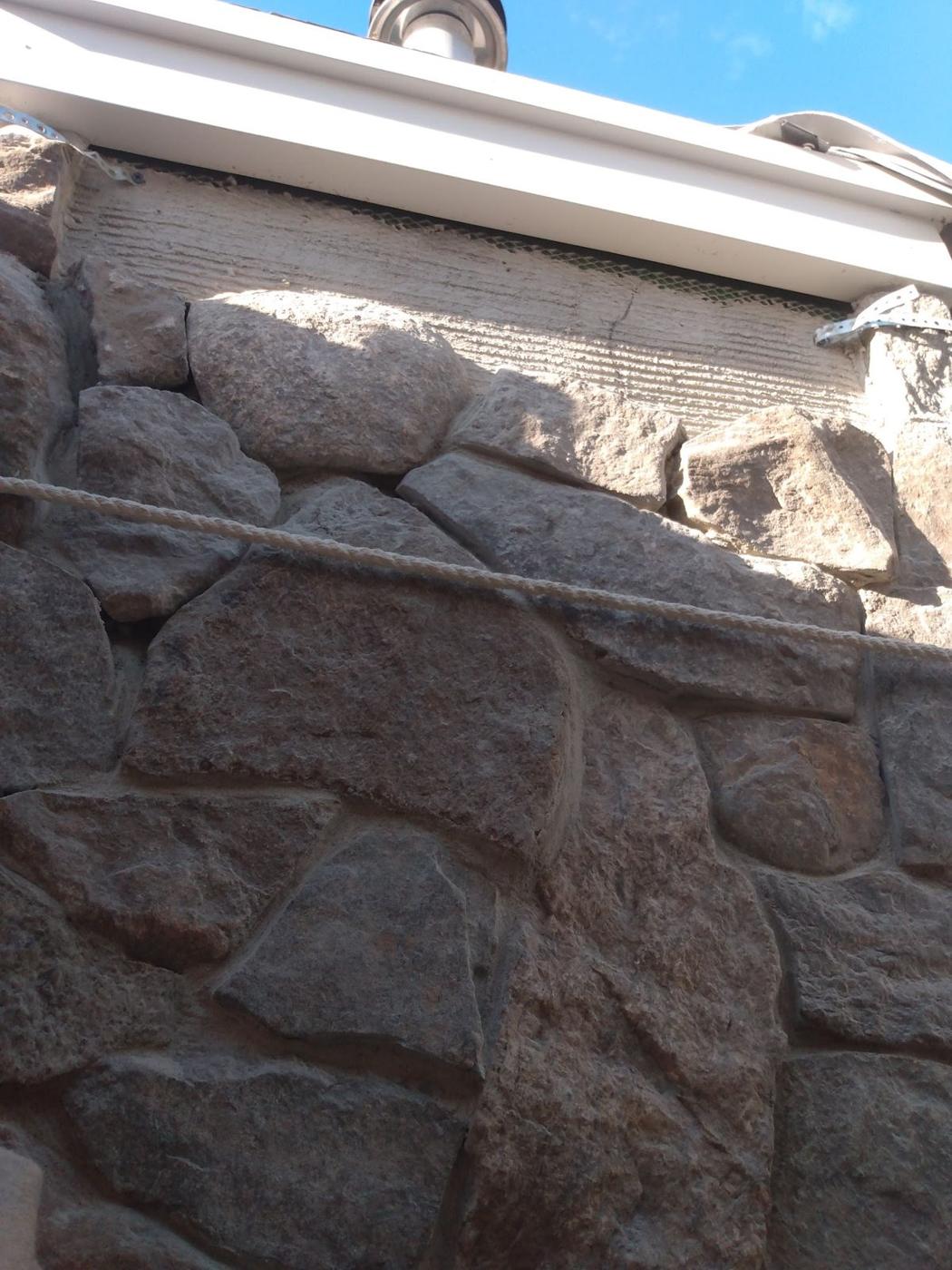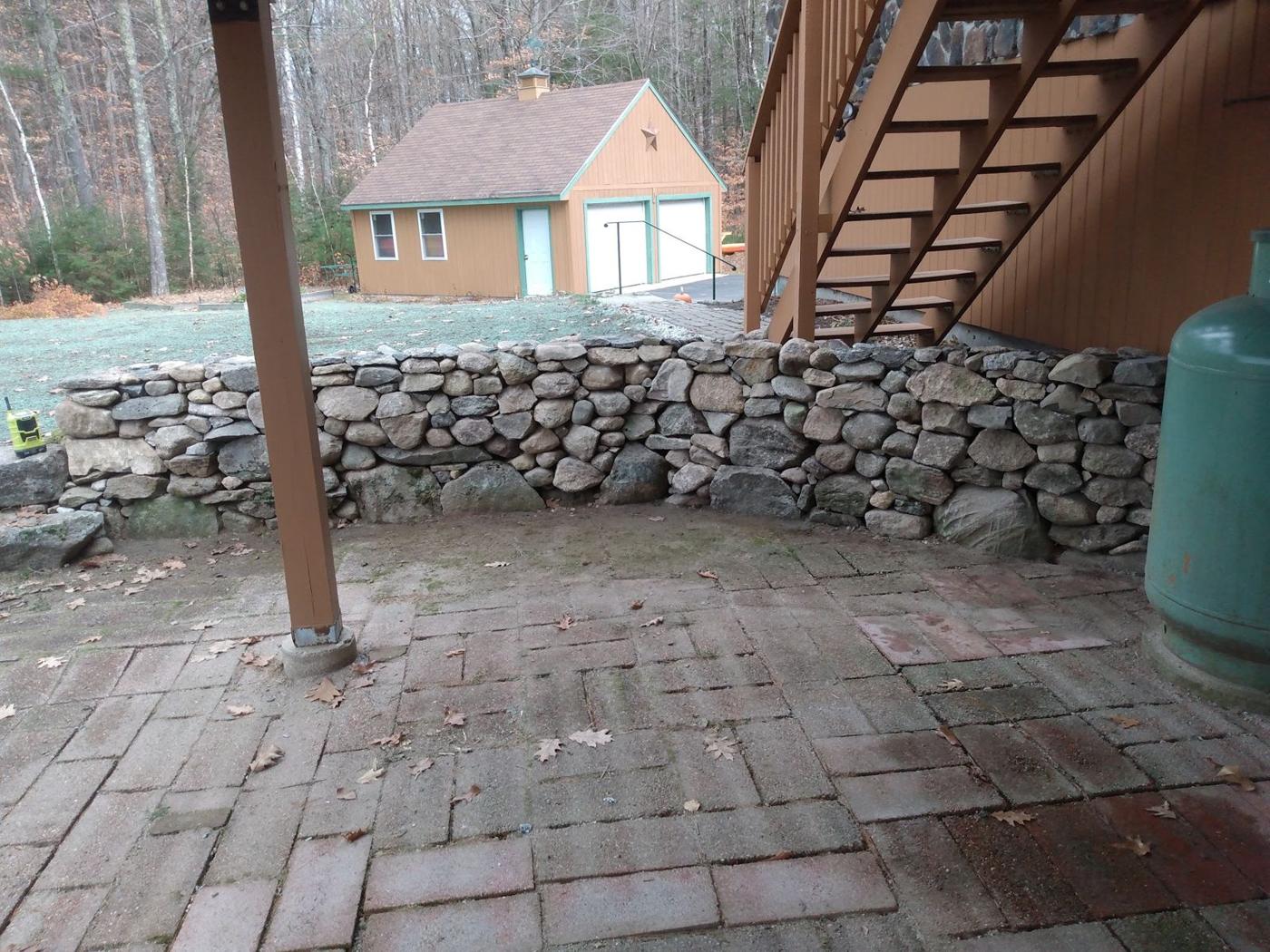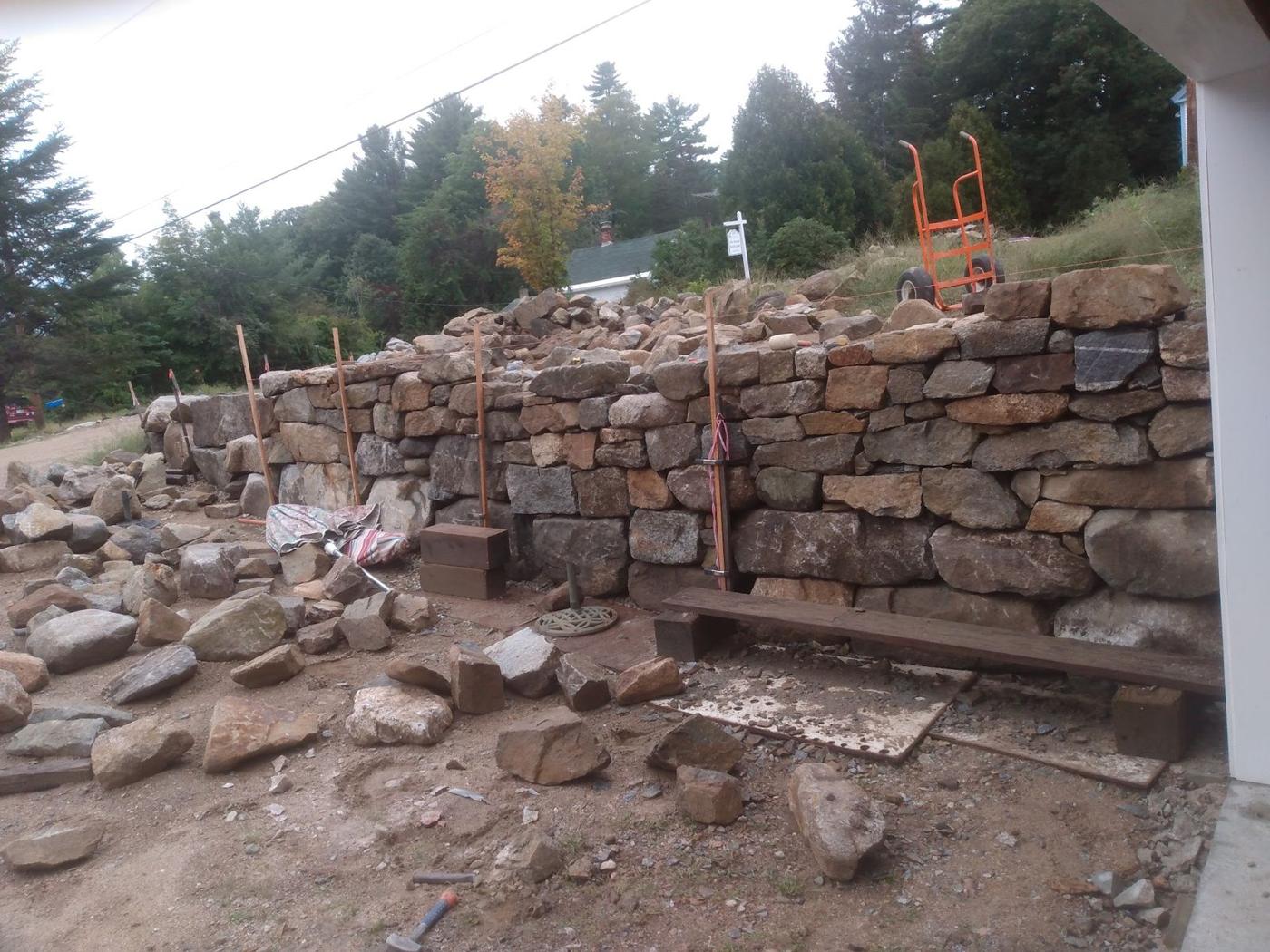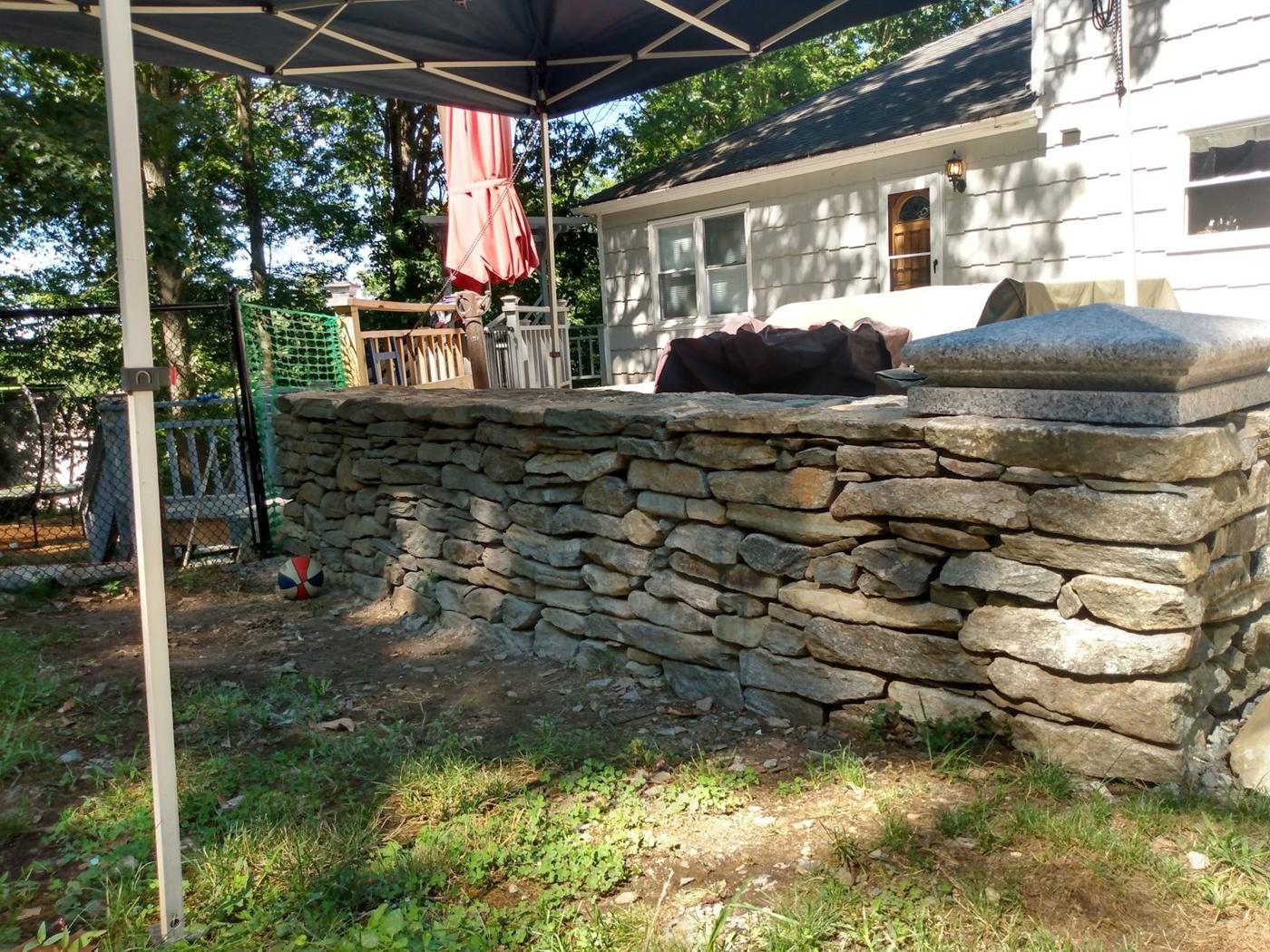
Natural stone veneer
Stone veneer is the main thing Jones Legacy does. Real stone, sawn thin on the back and set by hand onto foundations, columns, fireplaces and walls, so the finished face reads like solid stone. Most of it goes on higher end homes around the lakes, where new stone has to look like it belongs next to the ledge and old walls already on the property.
Kevin works in natural stone, with the color running all the way through, so a trimmed edge or a chipped corner still looks like stone. Each piece gets picked and fit so the joints stay tight and the pattern doesn't look repeated. Each kind of veneer work has its own page:
- Foundations and skirting, the band of stone between the ground and the siding
- Columns and posts on porches, decks and entries
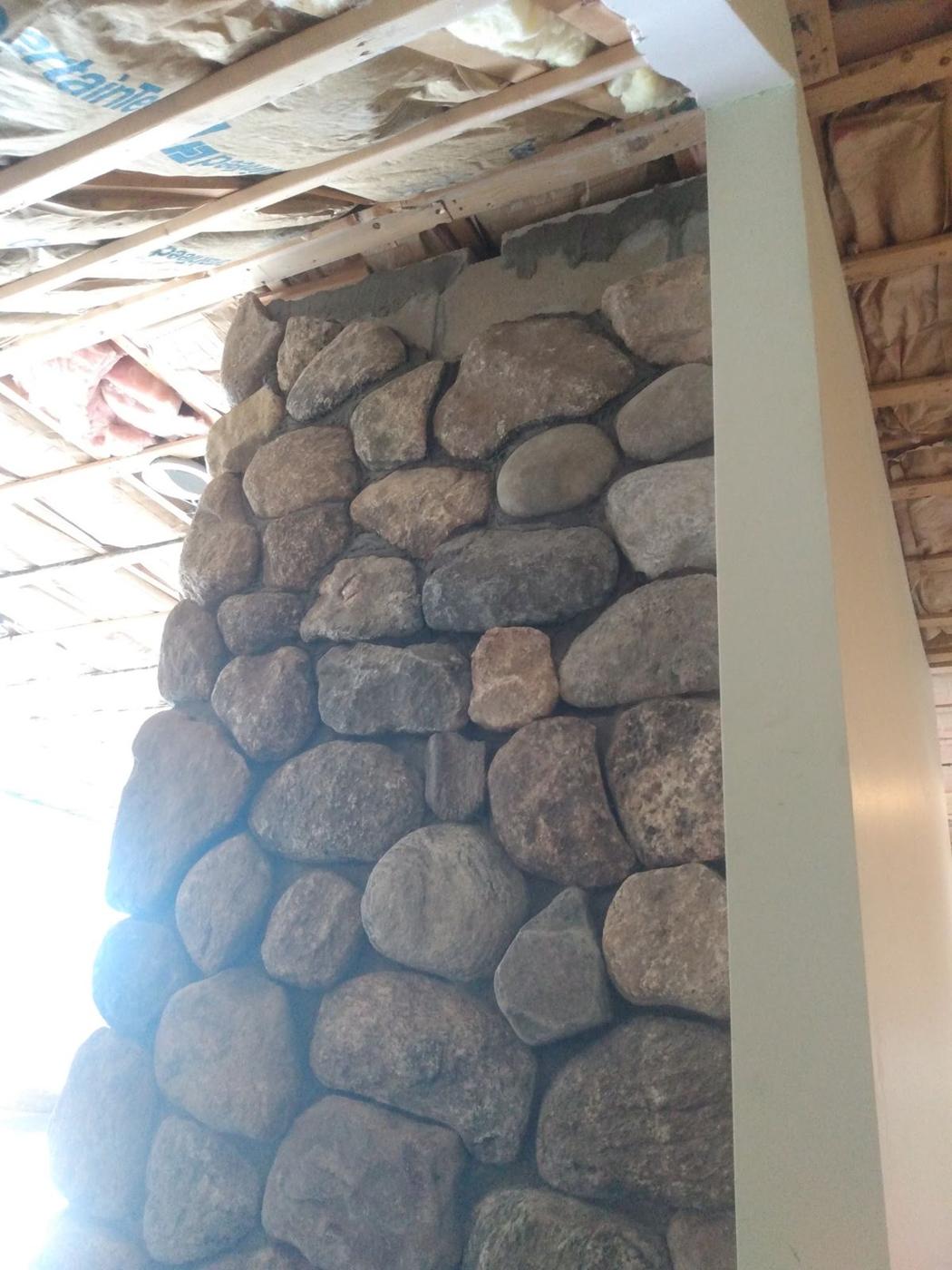
- Fireplace surrounds and hearth walls
- Lake homes, where the stone faces the water and the weather
Straight answers about veneer
Before anyone puts stone on a house, the same questions come up: real stone or manufactured, whether the wall needs a footing, what it will cost, what style fits, and how it holds up when snow piles against it in February. There's a plain guide for each one: natural versus manufactured stone, thin veneer versus full bed stone, what drives the cost, the main styles and mortar joints, how veneer handles a New Hampshire winter, and how to care for it after it's built.
None of them have prices or sales talk in them. They're written so you know what to ask, whoever ends up doing the work.
Fieldstone and retaining walls
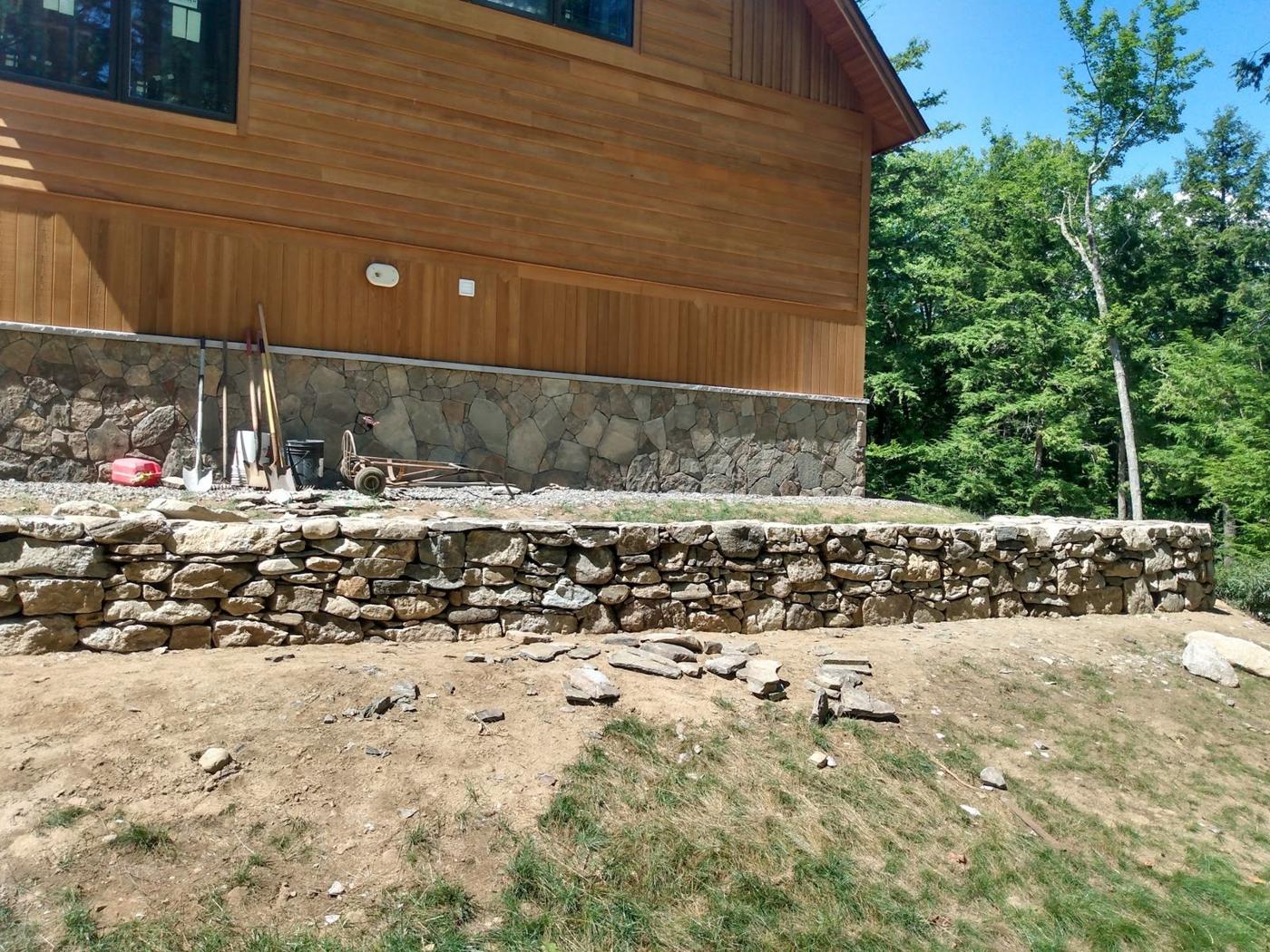
New Hampshire fieldstone, dry laid or mortared. Walls along a property line or the road, around gardens, under decks, and capped walls with a finished top. A dry laid wall shifts a little with frost and settles back, which suits the ground here. Big boulders, round stone and flat stone all have a place, depending on the look and the job the wall has to do.
A lot of Lakes Region lots slope down to the water or up into ledge. Retaining walls turn those slopes into yard you can use: one wall, a set of terraces, or a ring of stone around a tree you want to keep. The drainage behind the wall matters as much as the stone in front.
Walkways, steps and patios
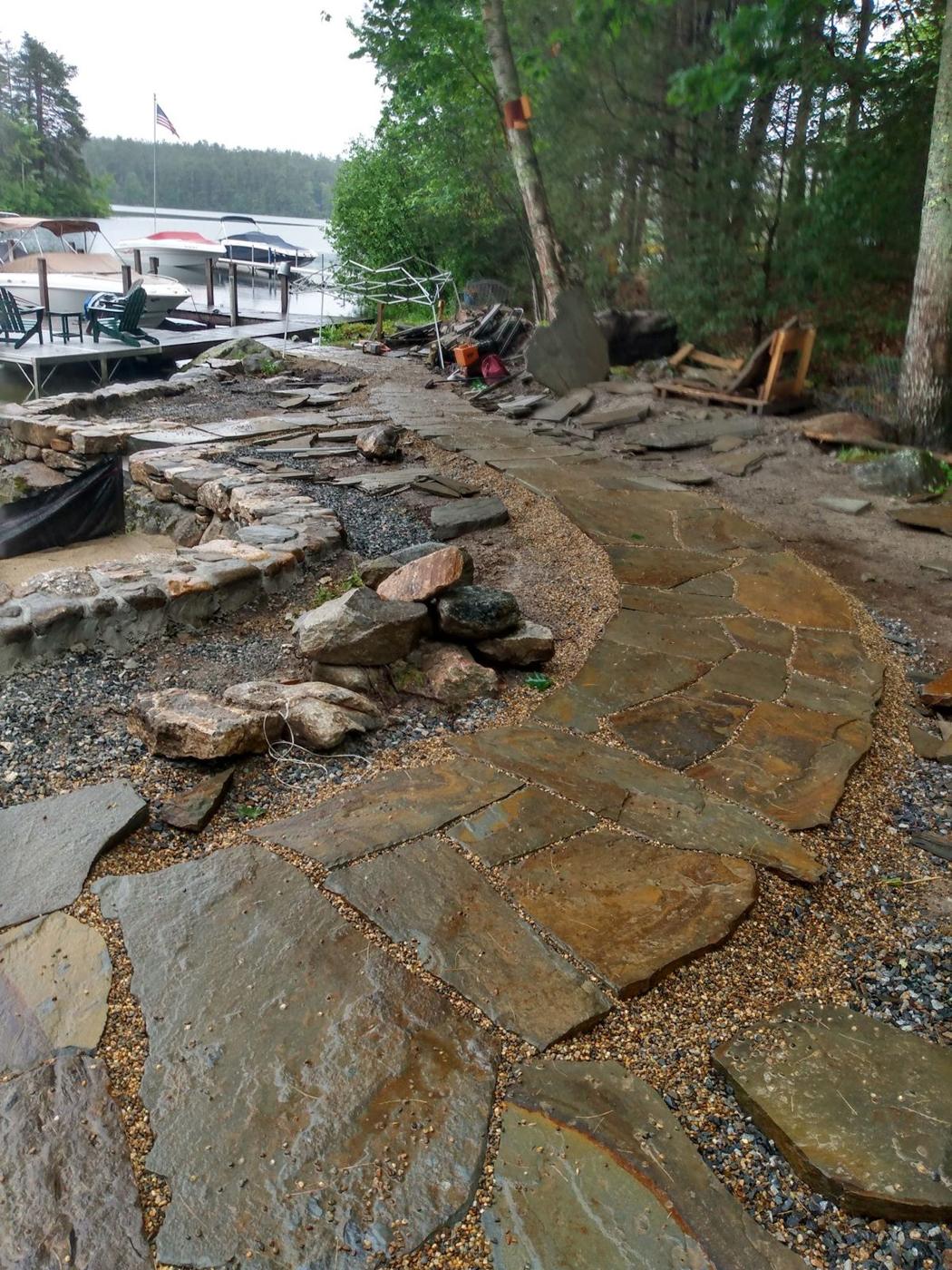
Flagstone walkways and stone steps, set on a proper base so they stay flat through New Hampshire winters. Paths from the driveway to the door, from the deck down to the dock, and steps that climb a bank between two walls.
Stone patios off the back of the house or down near the water, built on a base that drains. Patios often tie into a sitting wall or a few steps, which is where the walls and the walkways meet.
Interior and exterior painting
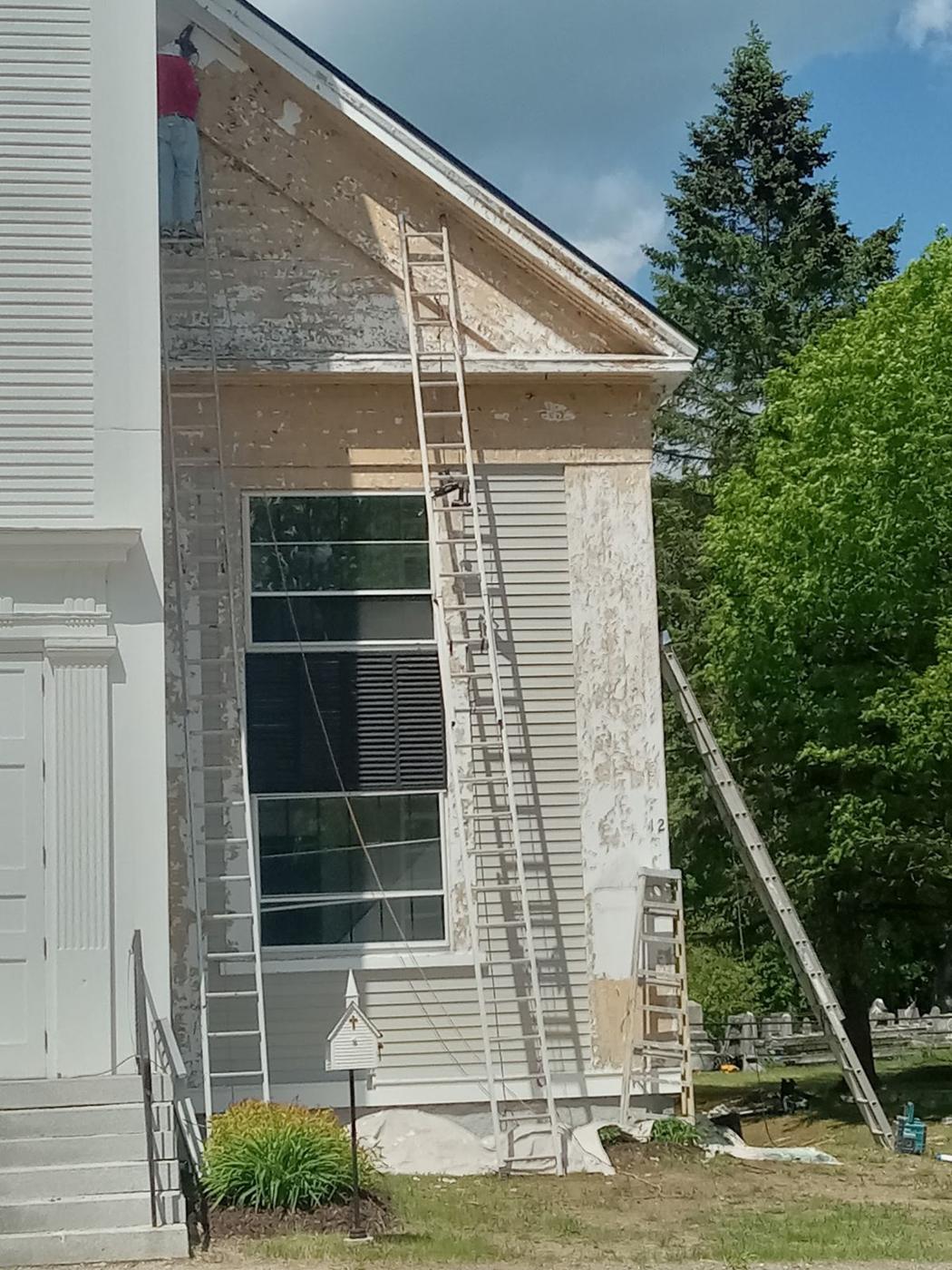
Painting is the other half of the name. Exterior siding, trim and doors, and interior walls and ceilings, with the scraping, sanding and repairs done before any paint goes on. It's a smaller part of the business than stone, and it comes in handy when one project needs both.
Small fixes to bigger projects
Jones Legacy takes on small improvements through larger projects. A fireplace built during a renovation, a set of steps that needs redoing. If it involves stone or paint and you're not sure where it fits, call or text and ask.
Kevin works out of Ossipee and covers 20 towns, from Wolfeboro, Alton and Laconia around Winnipesaukee to Holderness and Sandwich near Squam, and up through Tamworth and Madison to Conway, Jackson and Bartlett.
How a job gets started
It starts with a call or a text to (603) 581-5350. A photo of the spot, the town you're in and a rough idea of size is plenty to begin. From there Kevin talks through the stone, the layout and what the wall or the space needs, and gives you a price.
Jones Legacy is a family business that puts its name on every job. Built with pride. Made to last.